Autumn Bauhaus Background: A Strategic Design Element for Modern Creativity
The Autumn Bauhaus Background is a unique design concept that blends the iconic geometric and minimalist aesthetics of the Bauhaus movement with the warm, organic tones of autumn. This fusion creates a visually striking and versatile backdrop ideal for modern graphic design projects. Whether you're crafting a poster, designing a website banner, or developing branding materials, an Autumn Bauhaus Background can add depth, sophistication, and a touch of seasonal elegance.
Understanding the Bauhaus Influence
Rooted in early 20th-century Germany, the Bauhaus school emphasized functionality, simplicity, and the integration of art and technology. Its principles continue to shape contemporary design through clean lines, bold shapes, and a restrained color palette. The Autumn Bauhaus Background adapts these principles by incorporating earthy hues—like burnt orange, amber, and deep rust—while maintaining the structured, geometric forms that define the style.
This approach allows designers to evoke both the warmth of nature and the precision of modernism. For professionals seeking to communicate innovation while staying grounded in tradition, this background offers a compelling visual metaphor. It’s not just about aesthetics; it's about creating meaning through design.
Key Elements of an Autumn Bauhaus Background
- Geometric Shapes: Triangles, circles, and abstract polygons are arranged to form dynamic patterns.
- Minimalist Composition: Focuses on negative space and clarity, avoiding clutter to maintain visual focus.
- Earthy Color Schemes: Uses muted reds, oranges, and yellows reminiscent of falling leaves and harvest time.
- Line Work and Texture: Incorporates subtle line details and textures that mimic natural elements like bark or leaf veins.
Strategic Use Cases Across Industries
When used thoughtfully, an Autumn Bauhaus Background can enhance communication and align with brand values. Here are some strategic applications across different fields:
Branding and Marketing Materials
For small businesses or startups launching seasonal campaigns, an Autumn Bauhaus Background provides a fresh yet familiar look. It works especially well for products tied to fall, such as apparel, home décor, or wellness items. The background supports brand positioning by conveying a sense of creativity, craftsmanship, and connection to nature—all key components in today’s market-driven narratives.
Web and Print Design
Designers working on landing pages, product templates, or printable content (like greeting cards or promotional banners) can use this style to create cohesive themes. Its balance between geometric structure and organic warmth makes it adaptable for both digital and physical media. A vector-based Autumn Bauhaus Background ensures scalability without compromising quality, which is essential for responsive web design and high-resolution print jobs.
Interior and Fashion Decorations
In interior design or fashion illustration, the Autumn Bauhaus Background adds a decorative layer that complements minimalist spaces or vintage-inspired collections. It can be used as wallpaper, textile prints, or even as part of a larger pattern set. The retro-modern feel appeals to audiences who value timeless design and creative authenticity.
Planning Tips for Effective Implementation
Integrating an Autumn Bauhaus Background into your project requires intentionality. Here are some practical tips to help you maximize its impact:
- Define Your Goal: Ask what message you want to convey. Is it nostalgia, innovation, or something in between? The background should support—not distract from—your primary message.
- Match Brand Identity: Ensure the background aligns with your brand’s existing color schemes and stylistic language. Consistency builds trust and recognition.
- Use Layering Strategically: Pair the background with layered text or imagery to guide the viewer’s eye and emphasize key information.
- Test for Legibility: Especially in digital formats, confirm that the background doesn’t interfere with readability. Minimalism here is crucial.
Real-World Examples
Consider a boutique clothing brand launching a fall collection. By using an Autumn Bauhaus Background in their campaign visuals, they can subtly suggest the season’s essence while reinforcing their commitment to modern, avant-garde fashion. Similarly, an educational platform promoting a course on sustainable design might use this background to symbolize growth, change, and a return to foundational design principles.
When to Avoid or Adapt
While the Autumn Bauhaus Background is powerful, it may not fit every context. If your audience expects a purely traditional or hyper-modern aesthetic, the blend of geometric and organic elements could feel jarring. In such cases, consider adapting the style by simplifying the pattern or adjusting the color saturation to better match your brand’s tone.
Additionally, avoid overusing this background in all aspects of your design. Like any element, repetition can dilute its impact. Use it selectively to highlight important sections, such as headers, hero images, or product showcases.
Creating Intentional Design with Autumn Bauhaus
To leverage the Autumn Bauhaus Background effectively, start by thinking about the context in which it will appear. Will it be used for a single poster or as part of a broader visual identity system? How does it interact with other design elements?
One effective strategy is to treat it as a supporting character in your design story. Let the background provide texture and mood while foreground elements deliver your core message. This intentional layering helps maintain clarity and purpose, ensuring your design communicates efficiently and memorably.
Tools and Resources for Creation
Many graphic design platforms now offer Autumn Bauhaus-style templates. Adobe Illustrator and Canva provide customizable options that allow you to adjust colors, shapes, and layout. Look for vector-based files when downloading free or paid resources, as they ensure flexibility and professional results.
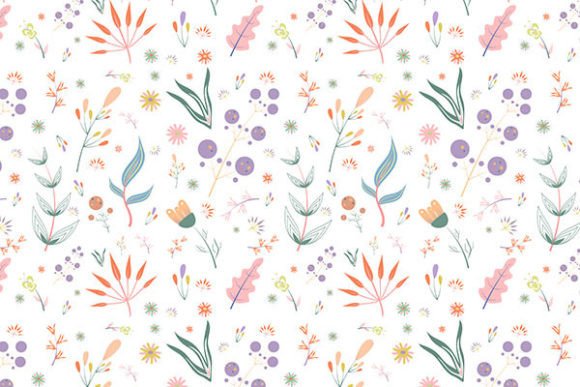
For those interested in building their own designs, consider starting with a base of geometric shapes and then overlaying subtle watercolor or floral elements. These additions can give the background a more artistic, handcrafted feel while still honoring the Bauhaus ethos of order and function.
Risks of Using Without Clear Strategy
Using an Autumn Bauhaus Background randomly can lead to miscommunication or a lack of visual cohesion. For instance, if you apply it to a summer-themed marketing campaign, the contrast between the warm autumnal tones and the expected bright, airy visuals may confuse your audience.
Another risk is overcomplication. The Bauhaus style thrives on minimalism, but adding too many decorative elements—especially unrelated ones—can undermine its effectiveness. Always anchor your design choices in the needs of your project and the expectations of your audience.
Long-Term Value and Creative Exploration
As trends evolve, the appeal of an Autumn Bauhaus Background lies in its timeless qualities. Unlike fleeting fads, the Bauhaus movement has consistently influenced design education and practice. By adopting this style, you’re not just following a trend—you’re engaging with a rich historical context that continues to inspire innovation.
Moreover, experimenting with this background can open new creative avenues. Try mixing it with typography that reflects a vintage or modern font style. Or combine it with abstract flower or leaf illustrations to create a hybrid design that speaks to both the past and the present.
How to Build a Cohesive Collection
If you plan to use the Autumn Bauhaus Background across multiple assets—such as social media covers, email templates, or packaging—build a design system around it. Define how it interacts with your logo, fonts, and iconography. Establish rules for placement, scale, and repetition to maintain consistency and reinforce your brand’s identity.
Think of it as a visual foundation rather than a one-time decoration. This mindset encourages long-term planning and ensures your creative output remains aligned with your strategic goals.
Conclusion
The Autumn Bauhaus Background is more than a design element—it’s a bridge between history and modernity, between nature and abstraction. When applied with care and understanding, it can elevate your work, communicate nuanced ideas, and connect with audiences on both emotional and intellectual levels.
Whether you're a marketer, designer, educator, or entrepreneur, consider how this background can serve your next project. Approach it strategically, test variations, and let it reflect your brand’s voice. Done right, it can become a signature asset that enhances your visual storytelling and sets your work apart in a crowded marketplace.