African Ritual Masks: Cultural Significance and Artistic Value
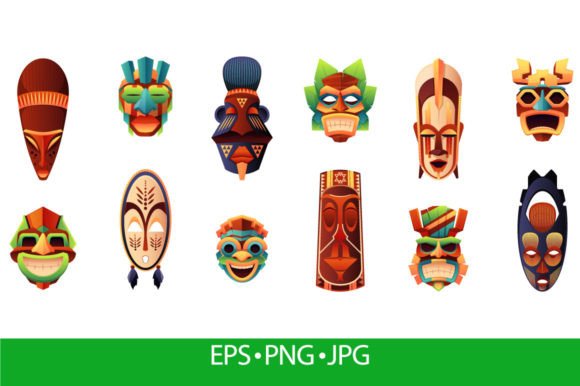
African ritual masks are traditional artifacts that have played a vital role in the cultural and spiritual life of many African communities for centuries. These masks, often crafted from wood, symbolize ancestral spirits, deities, or mythological beings and are used in ceremonies, dances, and rituals across various tribes and regions. The designs can range from human-like faces to zoomorphic (animal-shaped) forms, sometimes incorporating abstract or cartoon-style elements. In modern times, African ritual masks are also appreciated as decorative pieces, available in formats like EPS, PNG, and JPEG for digital use or as wooden idols for physical display.
Understanding African Ritual Masks
At their core, African ritual masks serve both functional and symbolic purposes. They are not merely artistic expressions but deeply embedded in the traditions of their respective cultures. Each mask is typically associated with specific rites of passage, such as birth, initiation, marriage, or death, and may be used by masked performers who embody the spirit or character represented by the mask. These performances often communicate moral lessons, historical narratives, or community values.
The craftsmanship behind these masks varies widely depending on the region and tribe. Some are intricately carved with elaborate details, while others maintain a minimalist aesthetic. Many feature exaggerated facial features, geometric patterns, or stylized animal motifs, reflecting the diverse artistic languages of African cultures. The materials used—primarily wood, but also metal, fabric, or beads—are chosen based on local resources and symbolic meanings.
Why People Are Drawn to African Ritual Masks
Individuals interested in African ritual masks often do so for a variety of reasons. For collectors and art enthusiasts, these masks represent unique cultural heritage and high-quality craftsmanship. Others might seek them for educational purposes, to study African history, anthropology, or traditional art forms. Designers and illustrators frequently incorporate stylized versions of these masks into projects, especially when working with themes related to tribal culture, spirituality, or global diversity.
Additionally, African ritual masks have become popular in interior design and home décor due to their striking visual appeal. Their presence can add depth and character to a space, serving as conversation starters and cultural symbols. When available in vector flat styles or tropical idol designs, they offer versatile applications in graphic design and branding, allowing creators to adapt the imagery to fit different needs without losing quality.
Evaluating the Benefits and Considerations
One of the primary benefits of acquiring or using African ritual masks is their cultural significance. Authentic wooden masks provide a tangible connection to African traditions, making them valuable for museum exhibits, academic research, or personal collections. Stylized versions in digital formats like EPS, PNG, and JPEG are ideal for designers who want to integrate these motifs into logos, illustrations, or promotional materials without compromising resolution or scalability.
However, it's important to consider the context and authenticity of the masks being acquired. While mass-produced or stylized versions may suit commercial or decorative purposes, they should not be mistaken for sacred objects. Respecting the cultural origins of these items is crucial, particularly when purchasing or displaying them. Additionally, the cost of authentic African ritual masks can be quite high, and buyers must be cautious about potential forgeries or unethical sourcing practices.
Another consideration is the appropriate setting for using these masks. In some cases, placing an African ritual mask in a purely decorative environment may raise questions about cultural appropriation. It’s wise to approach these artifacts with sensitivity and awareness, ensuring they are presented in a way that honors their heritage rather than reducing them to mere aesthetics.
Situations Where African Ritual Masks Fit Strongly
African ritual masks are a strong fit for those engaged in cultural studies, ethnographic research, or museum curation. They provide rich material for understanding indigenous beliefs, social structures, and artistic evolution. For designers working on multicultural or globally inspired projects, stylized representations of these masks—such as vector flat sets or cartoon-style interpretations—can effectively convey thematic elements while maintaining visual clarity and adaptability.
They are also well-suited for educational institutions, where they can be used to teach students about African history, symbolism, and the role of art in society. In such settings, the masks act as powerful tools for cross-cultural learning and appreciation. Similarly, in home environments, African ritual masks can complement spaces that emphasize world culture, minimalism, or eclectic design, adding an element of storytelling and tradition to the décor.
When Alternatives Might Be More Suitable
While African ritual masks are visually compelling and culturally meaningful, they may not always align with a person’s goals or needs. If you're looking for purely decorative elements without deep cultural connotations, other types of art or sculptures may be more appropriate. Likewise, if your project requires a wide range of characters or avatars without the risk of misinterpretation, exploring generic totem designs or contemporary stylized art could be a better option.
For businesses aiming to create inclusive branding, it's essential to ensure that any cultural symbols used are done respectfully and accurately. In some cases, consulting with cultural experts or opting for original artwork inspired by African aesthetics—rather than direct reproductions—may avoid potential controversies and enhance authenticity.
Making Informed Decisions About African Ritual Masks
Deciding whether to acquire or use African ritual masks involves careful evaluation of both purpose and context. Ask yourself: What am I hoping to achieve? Is this for personal collection, educational use, or commercial application? Understanding your intent helps determine the type of mask—or representation of it—that will best meet your needs.
If your goal is to connect with African heritage or support ethical craftsmanship, look for masks sourced through reputable channels that prioritize fair trade and cultural respect. On the other hand, if you’re a designer seeking creative assets, explore digital libraries offering vector flat sets or cartoon-style renditions. These alternatives allow for flexibility in color, shape, and composition, which can be especially useful in branding or multimedia projects.
Also, consider the audience that will encounter the mask. Will they view it as a piece of art, a cultural artifact, or something else entirely? Tailoring your choice to match the expectations and sensitivities of your audience ensures that the use of African ritual masks remains respectful and impactful.
Expectations and Ethical Use
Those who choose to work with African ritual masks should manage expectations regarding their value and meaning. Authentic masks are not just souvenirs; they carry spiritual and communal weight within their cultures of origin. Therefore, treating them with reverence and understanding is key. If you're using them digitally, make sure the style and presentation reflect an informed and respectful approach to African traditions.
It's also important to recognize that African ritual masks come in a wide array of styles and formats. From the solemn and sacred to the playful and stylized, there are numerous options available. Choosing the right one depends on your specific needs and how you plan to use or display it. Always aim for transparency in sourcing and usage to uphold ethical standards and promote cultural appreciation over appropriation.
Final Thoughts
African ritual masks offer a window into the rich and varied traditions of the continent. Whether you're drawn to them for their artistic beauty, cultural depth, or practical applications in design, they present a unique opportunity to engage with African heritage. However, the decision to incorporate them into your work or collection should be made with care, considering their background, symbolism, and the message they convey.
By evaluating the purpose, audience, and ethical implications of using African ritual masks, individuals and organizations can make choices that honor their origins while leveraging their aesthetic and symbolic power. With the availability of both traditional wooden idols and digital versions in formats like EPS, PNG, and JPEG, there's no shortage of ways to appreciate these remarkable creations. Just remember: understanding comes before admiration, and intention shapes perception.