Abstract Flat Floral Background: A Modern Design Element for Versatile Use
The Abstract Flat Floral Background has become a popular design element in the creative industry, especially in digital and print media. This style combines the beauty of floral motifs with the simplicity of flat design to create visually appealing yet functional backgrounds. Whether you're designing for fashion, invitations, or web layouts, understanding what this background offers and how it compares to other styles can help you make better-informed decisions.
What Is an Abstract Flat Floral Background?
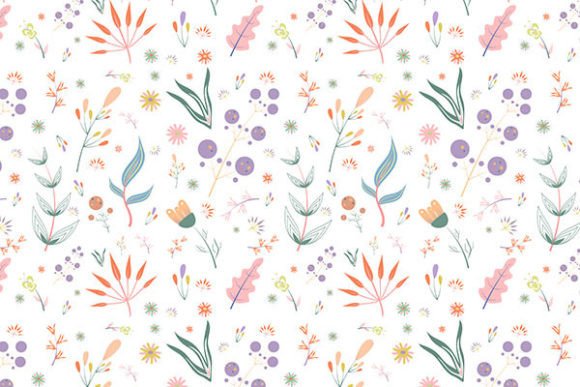
An Abstract Flat Floral Background is characterized by stylized, two-dimensional flower and leaf shapes arranged in patterns or clusters. Unlike realistic botanical illustrations, these designs use simplified forms and solid colors to convey a sense of nature without intricate details. The term "flat" refers to the lack of shading or depth, while "abstract" implies that the flowers and foliage are not necessarily true-to-life but rather interpretive or conceptual.
This type of background is often used in graphic design for its adaptability and aesthetic appeal. It features elements like petals, vines, and blossoms that can be repeated seamlessly, making it ideal for large-scale prints or digital wallpapers. The minimalistic approach ensures that it remains elegant and timeless, suitable for both modern and vintage-inspired themes.
Key Features of Abstract Flat Floral Backgrounds
- Flat Design: Uses bold, bright colors and lacks gradients or shadows, promoting clarity and simplicity.
- Abstract Elements: Stylized flowers and leaves provide a creative twist on traditional botanical art.
- Seamless Patterns: Designed to repeat without visible seams, perfect for tiling in any project.
- Vector-Based: Most abstract flat floral backgrounds are created using vector graphics, allowing for easy scaling and customization.
- Versatility: Works well across various industries including fashion, wedding design, greeting cards, and interior decoration.
Comparing Abstract Flat Floral Backgrounds to Other Styles
When evaluating design options, it's important to consider how the Abstract Flat Floral Background fits into the broader landscape of visual trends. Below are some comparisons to similar design approaches:
1. Realistic Botanical Illustrations
Realistic botanical illustrations focus on accurately depicting plants and flowers. These are typically detailed and textured, making them more suitable for scientific or educational content. In contrast, the Abstract Flat Floral Background uses simplified shapes and vibrant hues to prioritize visual harmony over realism. While botanical illustrations may offer authenticity, they are less flexible when used as backgrounds due to their complexity and detail.
2. Watercolor Style Backgrounds
Watercolor-style backgrounds are soft, fluid, and often feature natural textures such as brush strokes and paper grain. They evoke a hand-painted feel and are commonly associated with vintage aesthetics. The Abstract Flat Floral Background, however, leans towards digital minimalism and clean lines. If your goal is a romantic or artistic look, watercolor might be preferable; for sleek, contemporary visuals, flat abstract floral is a strong contender.
3. Geometric Pattern Backgrounds
Geometric patterns rely on shapes like triangles, circles, and hexagons to form repeating designs. These are excellent for creating structured and futuristic looks. The Abstract Flat Floral Background adds organic elements to this structure, offering a balance between the geometric and the natural. This hybrid approach is particularly effective in modern branding and fashion design where both order and creativity are valued.
4. Hand-Drawn or Sketch Style Backgrounds
Hand-drawn backgrounds emphasize texture and imperfection, giving them a personal or artisanal touch. While charming and unique, they may require higher resolution settings to maintain quality, especially when scaled up. The Abstract Flat Floral Background provides a polished alternative that’s easier to reproduce and modify using design software.
Strengths and Tradeoffs of Using an Abstract Flat Floral Background
There are several strengths that make the Abstract Flat Floral Background a compelling choice for designers:
- Modern Aesthetic: Its clean and uncluttered appearance aligns with current design trends favoring minimalism and simplicity.
- Scalable and Editable: Being vector-based, it allows for resizing without loss of quality and easy color adjustments.
- Adaptable Color Schemes: Can be customized to match brand identities, seasonal themes (such as spring or summer), or personal preferences (e.g., pink, green, or monochrome).
- Print-Friendly: Ideal for high-quality printing on materials like fabric, paper, or signage due to its flat, non-complex structure.
- Timeless Appeal: Combines vintage charm with modern design principles, making it versatile across different contexts.
However, there are also tradeoffs to consider:
- Limited Depth: The absence of shading or dimensionality means it may not work well in designs requiring a dramatic or three-dimensional effect.
- Less Textural: Compared to watercolor or sketch styles, it lacks the tactile qualities that can add interest in certain applications.
- May Require Contrast: Because it is flat, pairing it with other flat elements or simple typography is essential to avoid visual monotony.
Best-Fit Situations for Abstract Flat Floral Backgrounds
The Abstract Flat Floral Background is most effective in the following scenarios:
- Wedding Invitations and Decor: Offers an elegant yet modern backdrop for save-the-dates, programs, or venue décor.
- Fashion and Apparel Design: Provides a trendy pattern for clothing, accessories, or branding materials that celebrate the seasons—especially spring and summer.
- Graphic Design Templates: Ideal for website headers, app interfaces, or social media banners where simplicity and scalability matter.
- Greeting Cards and Stationery: Adds a decorative yet professional look to birthday cards, thank-you notes, or packaging designs.
- Wallpaper and Interior Layouts: Its seamless nature makes it suitable for digital wallpaper or printed wall coverings in homes or offices.
Example Use Cases
A designer working on a summer-themed layout might choose an Abstract Flat Floral Background with pastel pinks and greens to evoke warmth and freshness. For a minimalist fashion brand, a subtle floral pattern in muted tones could serve as a frame or border without overwhelming the main content. In a botanical-themed greeting card, the flat floral style ensures legibility and maintains a cohesive, professional look.
Limitations and When to Choose Alternatives
While the Abstract Flat Floral Background is highly adaptable, it may not always be the best fit. Consider the following limitations and potential alternatives:
- Too Generic: In markets where uniqueness is key, such as luxury branding, a more bespoke illustration may be necessary.
- Not Suitable for All Themes: For projects aiming for a gritty, industrial, or cyberpunk style, abstract flat floral may clash with the intended mood.
- Color Dependency: Since the design relies heavily on color, poor choices can lead to a cluttered or unappealing result.
In such cases, alternatives like vintage botanical prints, hand-drawn meadow scenes, or geometric plant motifs might offer a better match. These options can provide more texture, historical context, or visual contrast depending on the design goals.
Decision Factors for Choosing an Abstract Flat Floral Background
Selecting the right design style involves considering several factors. Here are key points to evaluate before choosing an Abstract Flat Floral Background:
- Project Purpose: Will it be used for digital or print? Does it need to scale easily or include complex textures?
- Target Audience: Are you appealing to a modern, youthful demographic or a more traditional one?
- Brand Identity: Does the background support your brand’s visual language and color palette?
- Design Simplicity: Do you want something that complements rather than competes with other design elements?
- Technical Requirements: Is it compatible with the tools you're using (like Adobe Illustrator or Canva)?
Practical Examples
If you’re creating a wedding invitation and want something creative and elegant, an Abstract Flat Floral Background in soft pink and white hues would work beautifully. However, if you're designing a corporate report and need a more professional tone, a minimalist line drawing or a solid-color layout might be more appropriate.
For a seamless wallpaper design, the flat floral style is excellent because it avoids visual disruptions when tiled. On the other hand, for a high-end fashion editorial, you might prefer a detailed botanical illustration or a vintage-style botanical print to add sophistication and exclusivity.
Creating Your Own Abstract Flat Floral Background
If you're interested in generating your own Abstract Flat Floral Background, here are some tips:
- Use Vector Tools: Software like Adobe Illustrator, Figma, or online platforms such as Canva can help you build scalable and editable designs.
- Keep Shapes Simple: Focus on clean lines and basic shapes to maintain the flat design essence.
- Experiment with Color: Try different combinations—bold, pastel, monochromatic—to find the right fit for your project.
- Test Seamless Tiling: Ensure the pattern repeats smoothly without noticeable gaps or overlaps.
- Balance Density: Too many elements can overwhelm viewers, while too few may appear sparse. Aim for a harmonious composition.
Many free and premium templates are available online, often labeled as “flat floral set” or “botanical pattern design”. These resources can help streamline the process and provide inspiration for your next project.
Conclusion: Making an Informed Choice
The Abstract Flat Floral Background is a powerful tool in the designer’s toolkit. It brings together the charm of nature with the efficiency of flat design, offering a blend of elegance and functionality. When compared to other styles, it stands out for its adaptability, ease of use, and modern appeal.
By understanding its strengths and limitations, you can determine whether it suits your needs. Whether you're looking for a decorative layout for a summer campaign or a minimalist frame for a greeting card, this style can deliver. But remember, every design challenge is unique—sometimes a more detailed or contrasting style will serve your purpose better.
Ultimately, the decision comes down to your specific use case, audience, and design philosophy. Take time to explore examples, test variations, and ensure your final product aligns with your vision and goals.