Exploring the Beauty of Floral Line Art: A Guide to SVG, PNG, and More
Floral line art has long been a staple in design, offering an elegant and timeless aesthetic that appeals to both casual admirers and professional designers. With the rise of digital illustration and vector graphics, floral elements have become more versatile than ever before. This article delves into the world of floral line art flower SVG elements, exploring their purpose, significance, and how they can be used in modern creative projects.
What is Floral Line Art?
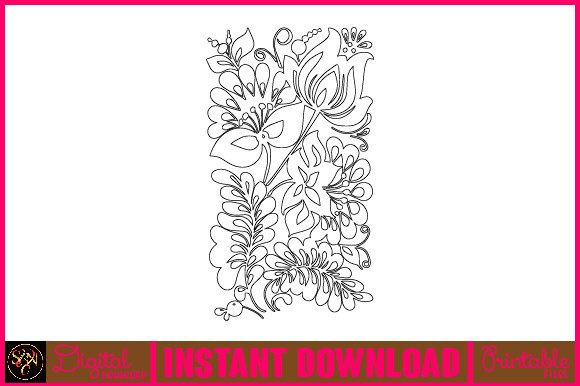
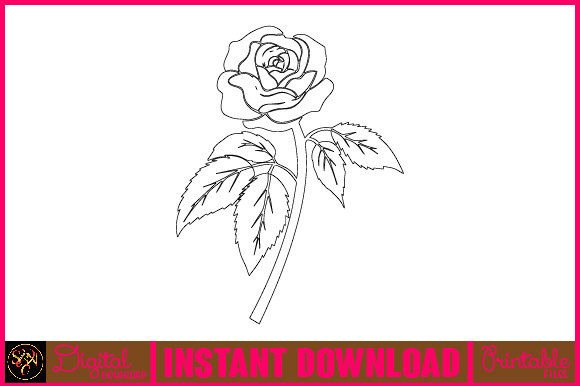
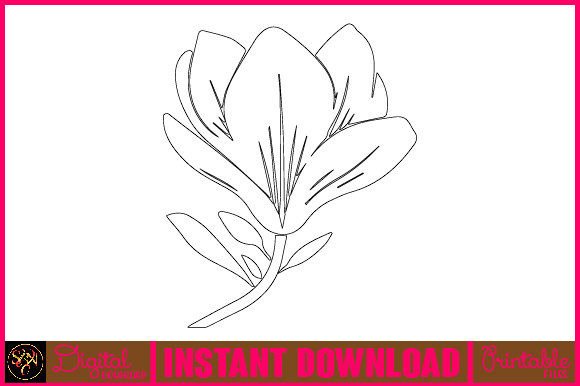
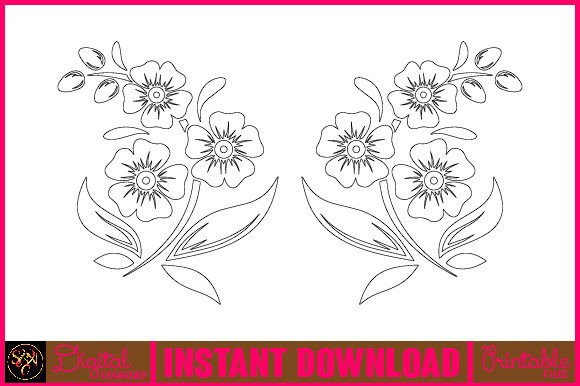
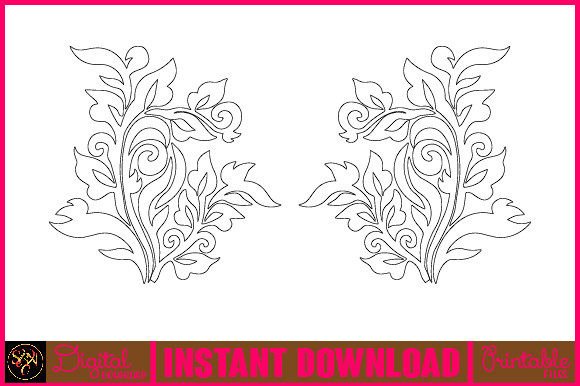
Floral line art refers to illustrations or drawings composed primarily of lines, capturing the essence of flowers, plants, leaves, and other botanical elements without the use of shading or color gradients. These designs are often hand-drawn but can also be created digitally using specialized tools. The focus on clean lines allows for adaptability in various design contexts, from wedding invitations to branding materials.
The beauty of floral line art lies in its simplicity and elegance. It evokes a sense of nature and organic growth while maintaining a structured appearance. Artists and designers frequently use these elements to add visual interest without overwhelming the overall composition of a piece.
Hand-Drawn vs. Digital Floral Line Art
Traditionally, floral line art was crafted with pen and paper, giving it a unique, artisanal feel. Today, many artists digitize their hand-drawn sketches, preserving the charm while making them scalable and editable. Whether you're looking for hand drawn floral wreath illustrations or stylized botanical leaf designs, there's a wide variety of options available in digital formats such as SVG, EPS, PNG, and JPEG.
The Versatility of SVG Files in Floral Design
SVG (Scalable Vector Graphics) files are particularly valuable when working with floral line art. Unlike raster images like JPEGs, which lose quality when scaled up, SVGs maintain crisp edges at any size. This makes them ideal for everything from small icons to large banners and posters.
For example, if you're designing a wedding invitation with floral motifs, using an SVG file ensures that your artwork remains sharp and professional no matter the print size. Additionally, SVG files are compatible with web design, allowing developers to embed them directly into HTML code for responsive visuals.
Advantages of Using SVG for Floral Elements
- Scalability: Perfect for resizing without loss of quality.
- Editability: Easily modify colors, shapes, or sizes using vector software like Adobe Illustrator or Inkscape.
- Lightweight Format: SVGs typically load faster on websites compared to high-resolution raster images.
- Cross-Platform Compatibility: Works well across different operating systems and browsers.
Common File Types and Their Uses
When purchasing or downloading a collection like Floral Line Art Flower SVG Set, you'll usually receive multiple file types in a single ZIP folder. Understanding each format helps you choose the right one for your project:
- SVG (Scalable Vector Graphics): Best for web and print due to scalability and editability.
- EPS (Encapsulated PostScript): Ideal for professional printing and high-quality outputs.
- PNG (Portable Network Graphics): Great for transparent backgrounds and digital media.
- JPEG (Joint Photographic Experts Group): Suitable for photographs or complex imagery with subtle gradients.
- PDF (Portable Document Format): Useful for sharing and viewing documents across platforms without losing formatting.
Each format serves a specific purpose. For instance, if you're creating a logo with a floral theme, SVG would be the top choice for flexibility. However, if you need to embed the image into a PowerPoint presentation or PDF brochure, PNG or JPEG might be more convenient.
Design Applications of Floral Line Art
Floral line art isn't just decorative; it plays a functional role in many design fields. From fashion to graphic design, these elements can enhance visual storytelling and create emotional connections with viewers.
Wedding Invitations and Event Design
One of the most popular uses for floral line art is in wedding invitations. A hand drawn flower illustration can lend a romantic and vintage feel to the design. Many couples opt for vintage summer plants or curly grass and flowers to evoke the warmth and beauty of a garden setting.
Using Floral line art in event design allows for customization. You can adjust the layout, color palette, and style to match the theme of the occasion. For example, a rustic barn wedding may feature bold, naturalistic plant sketches, while a formal gala might use more delicate, calligraphic floral frames.
Branding and Logo Design
Businesses in industries such as floristry, gardening, wellness, and lifestyle often incorporate floral line art into their branding. These designs help establish a warm, inviting identity that resonates with customers. A set of botanical line art floral leaves can be adapted to form part of a logo, social media template, or packaging design.
Consider a boutique selling handmade soaps. Adding a hand drawn sketch branches motif to their logo could symbolize natural ingredients and eco-friendliness. Similarly, a stationery brand might use a Floral and leaves design collection to create cohesive product packaging and marketing materials.
Interior Design and Decor
In interior design, floral line art adds a touch of sophistication and warmth. Whether it's a decorative floral picture for a living room wall or a pattern on wallpaper, these elements bring life to spaces. Because they’re often minimalist, floral line art complements a wide range of decor styles, from bohemian to Scandinavian.
How to Use Your Floral Line Art Files
Once you’ve downloaded a ZIP file containing Floral Line Art Flower SVG Elements, you’ll need to extract the contents. This process is straightforward and can be done using common file extraction tools such as WinZIP or WinRAR. Alternatively, you can double-click the ZIP file to open it and drag the desired assets to your workspace.
After extracting, organize the files by type—SVG, PNG, EPS, etc.—so you can easily access the correct format for your needs. For example, if you're editing a logo in Adobe Illustrator, you'll want the AI or EPS file. If you're preparing a website mockup, SVG or PNG would be more appropriate.
Editing and Customization Tips
Most vector-based files (like SVG and EPS) allow for easy customization. Here’s how to make the most of them:
- Use Vector Software: Programs like Adobe Illustrator or CorelDRAW let you manipulate individual lines and shapes.
- Adjust Colors: Change the stroke color to fit your brand or project palette.
- Rearrange Elements: Modify the layout by repositioning or scaling parts of the illustration.
- Create Composites: Combine multiple SVG elements to build custom designs like wreaths or borders.
Creating with Hand-Drawn Style
Even though many floral line art sets are available in digital formats, they often mimic the look of hand drawn flower illustration and hand drawn curly grass. This gives them a personal and artistic flair that's difficult to achieve with purely algorithm-generated graphics.
Designers who value authenticity appreciate this blend of traditional aesthetics with modern usability. By using hand drawn sketch branches, for example, you can add texture and character to digital layouts without sacrificing clarity or professionalism.
Why Choose Hand-Drawn Over Stylized Designs?
Hand-drawn elements tend to feel more organic and less rigid. They offer imperfections that give the design a human touch, which is especially important in areas like branding and editorial design where personality matters. In contrast, stylized or mass-produced graphics can appear generic or overly polished.
If you're aiming for a vintage aesthetic, consider using Vintage summer plants or Botanical element designs that reflect historical botanical illustrations. These often include intricate details and a nostalgic appeal that can elevate the tone of your project.
Where to Use These Designs
Floral line art finds its way into numerous creative endeavors. Below are some of the most common applications:
- Graphic Design: Posters, brochures, social media posts, and flyers benefit from floral accents.
- Fashion and Textile Design: Patterns on fabric, embroidery, or clothing prints can be enhanced with floral elements.
- Stationery: From greeting cards to planners, floral line art adds charm and structure.
- Education and Presentations: Visual aids like infographics or slide backgrounds can be made more engaging with botanical illustrations.
- Business Cards and Logos: A subtle floral motif can reinforce a brand's identity and values.
Examples of Practical Use
Imagine you're creating a business card for a new yoga studio. You could use a Floral and leaves design collection to frame the text and logo, conveying a sense of peace and natural harmony. Or perhaps you're working on a school project about botany—you might use a botanical leaf illustration to label different plant species visually.
These examples show how floral line art can be both informative and aesthetically pleasing, bridging the gap between creativity and functionality.
Understanding Common Misconceptions
Despite their popularity, some people misunderstand what floral line art entails. Let’s clarify a few key points:
- Not Just for Print: While many use these elements in print media, SVG and PNG files are perfect for web and app design too.
- Easy to Customize: Don’t worry if you're not an expert—most vector files come with layers or grouped elements for easier editing.
- High-Quality Always Available: Even if you start with a low-res JPEG, the SVG version will always provide the best resolution.
By understanding these aspects, beginners can confidently experiment with floral line art while professionals can streamline their workflow and expand their design capabilities.
Conclusion
Floral line art continues to inspire and enhance a wide array of creative projects. Whether you're designing a wedding invitation, crafting a logo, or adding visual depth to a presentation, these elements offer a beautiful and adaptable solution. With the availability of AI File – PNG File – EPS File – SVG File – PDF File – JPEG in a single ZIP package, it's never been easier to integrate these designs into your work.
As you explore the Floral line art with branch and Hand drawn floral wreath options, remember that the key to effective use lies in understanding the format and purpose of each file. Embrace the versatility of SVG and the timeless appeal of botanical illustrations to bring your ideas to life in a fresh and meaningful way.